
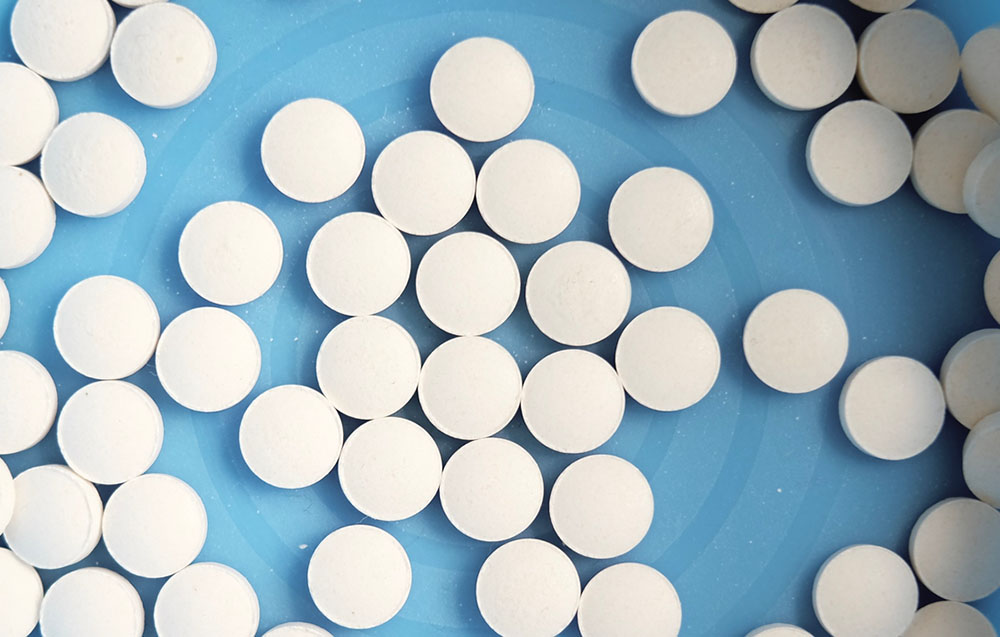
There are now two FDA-approved GLP-1 pills for weight loss: the Wegovy pill (oral semaglutide), and Foundayo (orforglipron), approved in April 2026. I think that is good news. More treatment options are better for patients.
But a pill is not automatically a better treatment. In my practice I still generally prefer injectable GLP-1 therapy when it is clinically appropriate, and this article explains why — along with the Wegovy pill doses, how the pill has to be taken, and the honest answer on “microdosing.”
Wegovy pill doses: the approved schedule
Month
Wegovy pill dose
Month 1
1.5 mg once daily
Month 2
4 mg once daily
Month 3
9 mg once daily
Month 4 onward
25 mg once daily (maintenance)
The 25 mg dose is the one studied for weight loss. In the OASIS 4 trial, people who took it as prescribed lost about 16.6% of their body weight. The starter doses exist to limit nausea while you work up; they are not weight-loss doses in their own right, which matters for the “microdosing” question below.
Foundayo (orforglipron) uses a different schedule: 0.8 mg, then 2.5 mg, then 5.5 mg, with optional steps to 9, 14.5 and 17.2 mg, each held at least 30 days. It is a different molecule (a non-peptide GLP-1 receptor agonist), and unlike semaglutide tablets it does not have to be taken on an empty stomach.
For North Carolina patients
Not sure which GLP-1 dose — or which route — is right for you?
Blue Sky MD is a physician-led medical weight-loss practice with seven clinics across North Carolina, from Asheville to Charlotte. We review your health history, labs and goals and tell you honestly whether a pill, an injection, or neither is the right next step. It starts with a free 2-minute Health Assessment.
Free · 2 minutes · reviewed by our medical team
In-person and telehealth visits for North Carolina residents · Asheville · Hendersonville · Greensboro · Winston-Salem · North Charlotte · South Charlotte · Mooresville / Lake Norman
How to take the Wegovy pill (and why timing matters)
Semaglutide is a peptide, and the stomach is designed to digest peptides. Only a small fraction of each tablet is absorbed, so the pill has rules: take it first thing in the morning on an empty stomach with no more than about half a glass of water, then wait at least 30 minutes before eating, drinking anything else, or taking other medications. Take it after breakfast, or with coffee, and absorption falls — sometimes to almost nothing. Patients who forget and take it at night are usually taking a dose that does not work.
A weekly injection has none of these rules. That is not a small point when a treatment has to be sustained for a year or more.
Can you microdose the Wegovy pill?
This is the question that brings most readers to this page, so here is the direct answer. “Microdosing” an oral semaglutide tablet usually means staying on 1.5 mg or 4 mg. Those doses were designed as a ramp, and in the trials they produced little weight loss on their own. With an injection, a physician can set almost any dose between the standard steps — 0.1 mg increments are routine — and hold a patient at the lowest dose that is working. With a tablet you have four fixed strengths, and the low ones were not built to be destinations.
That is the real difference between the two routes: dose flexibility. At Blue Sky MD we start injectable semaglutide or tirzepatide at a conservative, physiologic dose and move up only as the patient’s response and tolerance require. Many patients never need the top dose. We can do that precisely with an injection; we cannot with a tablet.
Why I still usually prescribe injections
Three reasons, in order of importance to me as a physician.
1. Depth of evidence
Injectable semaglutide and tirzepatide have years of outcomes data — cardiovascular, kidney, sleep apnea, long-term maintenance — and years of real-world clinical experience. The pills have good 64–72-week weight-loss trials; they do not yet have that depth.
2. Dose flexibility and reliability
The injection delivers the dose you intend, every time, regardless of breakfast, and it can be adjusted in small steps rather than four fixed strengths.
3. Tolerability management
When a patient has nausea on an injection, I can hold or trim the dose. On a tablet, the next option is a step that may be four or five times larger.
None of this makes the pills bad medicine. For a patient who cannot inject, who travels constantly, or who simply will not take an injection, an oral GLP-1 that is actually taken beats an injection that is not. Foundayo in particular removes the empty-stomach problem. The right answer is the one you will take correctly for as long as you need it.
The question that matters more than pill vs. shot: what are you losing?
Whichever route you use, a GLP-1 medication does one job: it lowers appetite and intake. It does not decide whether the weight you lose is fat or muscle. Your protein intake, your resistance training and how fast you lose do.
A 2026 systematic review of 20 randomized trials covering 15,782 people found that lean mass made up roughly 25–39% of the weight lost on GLP-1 and GLP-1/GIP medications — about the same proportion as weight lost through intensive lifestyle programs. The group that protected muscle best was lifestyle plus resistance training, at about 17.5%. A second 2026 meta-analysis reached the same conclusion: lean-mass loss is not a reason to avoid these medications, but it is a reason to pair them with nutrition and exercise rather than appetite suppression alone.
So in our medical weight loss program, every GLP-1 patient — pill or injection — is also treated for the things the medication does not touch:
Protein first. A target of roughly 1 gram per pound of ideal body weight, because protein spares muscle and extends satiety.
Resistance training two to three times a week. It is the single most protective thing in the research above.
Body-composition monitoring, not just the scale. We measure fat and lean mass so that “losing weight” means losing fat.
Dosing that follows the patient, not the calendar. Losing too fast is one of the main ways people lose muscle.
Hormone evaluation when it is clinically relevant. Thyroid, insulin resistance and sex hormones all change how a body responds to a diet. Our observations on hormone optimization and body composition come from our own practice, not from randomized trials, and we label them that way.
Find the GLP-1 plan that fits your health, body composition and long-term goals.
Free 2-minute Health Assessment, reviewed by our medical team. Seven North Carolina clinics, in person or by telehealth.
Oral vs. injectable GLP-1 at a glance
Wegovy pill (oral semaglutide)
How often: daily, on an empty stomach, 30-minute wait
Doses: 1.5 / 4 / 9 / 25 mg
Microdosing: only at ramp doses (little effect)
Trial weight loss: ~16.6% (OASIS 4, taken as prescribed)
Best fit: needle-averse patients with structured mornings
Foundayo (orforglipron)
How often: daily, no food rules
Doses: 0.8 → 17.2 mg in six steps
Microdosing: only at ramp doses
Trial weight loss: significant vs. placebo at 72 weeks (two trials); outcomes data new in 2026
Best fit: needle-averse patients with irregular mornings
Injectable semaglutide / tirzepatide
How often: weekly, no food rules
Doses: adjustable in small, physician-set increments
Microdosing: yes
Trial weight loss: ~15% semaglutide, ~20% tirzepatide; deepest outcomes data (cardiovascular, kidney, sleep apnea, maintenance)
Best fit: most patients, when clinically appropriate
Where compounded GLP-1s fit
If you are already taking a compounded semaglutide or tirzepatide, the first question is not pill or shot — it is exactly what you are taking, at what concentration, from which pharmacy, and who is supervising it. When an FDA-approved product is accessible and appropriate, it remains my preference.
The GLP-1 pill is real, and I am glad patients have the option. In my practice, injections still win most of the time — on evidence, on dose control, and on the simple fact that a weekly shot has no breakfast rules. What matters more than either is whether your program protects your muscle while you lose fat. That is what we built our GLP-1 prescription weight loss program around.
It all starts with a free online Health Assessment.
Take the Free Health Assessment →Blue Sky MD treats patients in North Carolina only, with seven medical weight loss clinics across the state: Asheville, Hendersonville, Greensboro, Winston-Salem, North Charlotte, South Charlotte and Mooresville / Lake Norman. In-person and telehealth visits are available to North Carolina residents.
— Dr. David LaMond, Medical Director, Blue Sky MD
Frequently asked questions about the Wegovy pill and oral GLP-1s
What are the doses of the Wegovy pill?
1.5 mg for the first month, 4 mg the second, 9 mg the third, then 25 mg once daily as the maintenance dose. The 25 mg dose is the one studied for weight loss.
Can I microdose the Wegovy pill?
You can stay on a low tablet strength, but the 1.5 mg and 4 mg doses were designed as a ramp and produced little weight loss on their own in trials. True microdosing — small, individualized adjustments held at the lowest effective dose — is something a physician can do with an injection, not with a four-strength tablet.
How long after eating can I take the Wegovy pill?
It is designed to be taken before eating: first thing in the morning on an empty stomach, with a small amount of water, then at least 30 minutes before any food, drink or other medication. Taking it after a meal sharply reduces absorption.
Can I take the Wegovy pill at night?
Not as directed. It needs an empty stomach and a 30-minute fasting window afterward, which is why mornings are specified. If mornings are the obstacle, that is a reason to discuss Foundayo or an injection rather than to take semaglutide tablets at bedtime.
Does the 4 mg Wegovy pill work?
It is a ramp dose. Some appetite effect is common, but meaningful weight loss in the trials came at 25 mg.
Is Foundayo (orforglipron) the same as the Wegovy pill?
No. Foundayo is a different molecule (a non-peptide GLP-1 receptor agonist) approved by the FDA in April 2026. It is also a daily tablet, but it does not need to be taken on an empty stomach.
Does the Wegovy injection work better than the pill?
Taken as prescribed, the 25 mg pill and the 2.4 mg weekly injection produce broadly similar trial weight loss. The injection has far deeper outcomes data, exact and adjustable dosing, and no food-timing rules, which is why most physicians — including me — still prefer it when appropriate.
Will I lose muscle on a GLP-1?
Some lean-mass loss happens with any significant weight loss, drug or diet — about a quarter to a third of the total in recent trials. Adequate protein, resistance training and sensible dosing cut that substantially. A good program measures body composition, not just weight.
The FDA recently approved a daily oral version of Wegovy (semaglutide), giving patients an alternative to the weekly injection. On the surface, a pill sounds easier—but it’s important to understand how the two forms compare.
How the Oral Semaglutide Pill Works
Oral semaglutide must be taken first thing in the morning on an empty stomach with a small amount of water. After swallowing it, you need to wait at least 30 minutes before eating, drinking, or taking other medications. If not taken correctly, absorption drops dramatically—meaning the medication may not work as intended.
Because oral absorption is inefficient, studies show it often takes up to 50 mg daily to match the clinical results of 2–2.4 mg weekly injections (Ozempic and Wegovy). A rough clinical approximation is that 14 mg of oral semaglutide daily equals about 1 mg of weekly injectable exposure.
Low oral doses (3 mg, 7 mg, or even 14 mg) have shown minimal weight loss benefit, which is why patients on lower-dose oral forms often see disappointing results.
The Cost Reality
Cost for the oral version rises quickly with dose. Many advertised low monthly prices apply only to the starter dose—where the medication has little effect. Once patients reach effective obesity doses (20–25 mg or higher daily), costs typically rise to $300 per month or more.
That’s one reason we’ve chosen to focus on injectable semaglutide at Blue Sky MD—it’s more reliable, proven, and affordable for patients.
Our Approach? Proven Results, Micro-dosed for Safety and Tolerance
At Blue Sky MD, we offer clinically proven injectable semaglutide for as little as $40 per week—a fraction of national retail cost.
We use a “microdosing” approach, meaning we start patients at a conservative, physiologic dose and increase gradually based on individual response and tolerance. This minimizes side effects (like nausea and bloating) while still driving steady, meaningful progress in blood sugar control, appetite regulation, and fat loss.
Even at lower doses, injectable semaglutide remains effective when combined with proper nutrition and lifestyle habits. Many patients achieve sustainable results without ever needing the full 2.4 mg weekly dose.
How to Naturally Support GLP-1 Function
Whether you’re using a GLP-1 medication or not, several lifestyle habits naturally boost GLP-1 activity and appetite control:
- Prioritize protein – Aim for roughly 1 gram per pound of your ideal body weight daily. Protein increases natural GLP-1 release and enhances satiety.
- Make sure your hormones are optimized– in our office we see additional weight loss ‘gains’ with utilization of testosterone replacement in both men and women, with up to an additional 10-20% weight loss respectively and patients better able to maintain their weight loss results.
- Eat real food first – Emphasize lean proteins, fiber-rich vegetables, and minimally processed foods. These stabilize glucose and improve gut hormone signaling.
- Strength train regularly – Muscle mass improves insulin sensitivity and amplifies GLP-1 effectiveness.
- Sleep 7–9 hours nightly – Sleep deprivation reduces GLP-1 and leptin while increasing ghrelin (your hunger hormone).
- Manage stress – Chronic stress elevates cortisol, which blunts GLP-1 response and drives emotional eating.
Oral Semaglutide vs. Injectable Semaglutide: What’s best for me?
Oral semaglutide can be effective, but it’s finicky, expensive at high doses, and dependent on perfect daily adherence. Injectable semaglutide remains the gold standard: clinically proven, potent even at lower doses, and more affordable through our Blue Sky MD program.
If you’re considering starting GLP-1 medication or switching from one form of GLP-1 to another, our medical team can guide you toward the most effective and sustainable option for your goals. Take our free health assessment to see if you qualify for GLP-1 medications.
We have 7 convenient medical weight loss clinic locations across North Carolina, including Winston-Salem, Mooresville, Charlotte-Northlake, South Charlotte, Greensboro, Asheville, and Hendersonville.
—
Dr. David LaMond
Medical Director, Blue Sky MD
Yes, there is an oral version of semaglutide called Rybelsus. It’s FDA-approved for treating type 2 diabetes and contains the same active ingredient as Ozempic and Wegovy injections. Rybelsus is taken as a daily tablet and works by mimicking the GLP-1 hormone to help regulate blood sugar and slow gastric emptying.
Yes, oral semaglutide (Rybelsus) is clinically proven to be effective. In clinical trials, patients taking Rybelsus experienced significant improvements in blood sugar control and modest weight loss. However, oral semaglutide is currently only FDA-approved for diabetes management, not specifically for weight loss like Wegovy injections.
Oral semaglutide is less potent than injectable versions. Due to poor absorption in the digestive system (only about 1% is absorbed), oral semaglutide typically produces more modest results compared to weekly injections like Ozempic or Wegovy. Injectable semaglutide generally provides more significant weight loss and blood sugar improvements because it delivers higher effective doses directly into the bloodstream.
Several limitations exist with oral semaglutide:
Absorption challenges: Must be taken on an empty stomach with minimal water, and you cannot eat or drink anything else for 30-60 minutes afterward, which can be inconvenient for many patients.
Lower effectiveness: Due to poor absorption, oral forms typically produce less dramatic results than injections.
Daily dosing: Requires daily administration versus weekly injections.
Limited approval: Currently only approved for diabetes management, not weight loss.
Cost considerations: May be more expensive long-term due to daily dosing requirements.
Strict timing requirements: The complex dosing schedule can impact medication adherence.
At Blue Sky MD, we specialize in optimizing GLP-1 therapy based on your individual needs and lifestyle. Our medical team can help determine whether oral or injectable semaglutide is the best option for your health goals.