
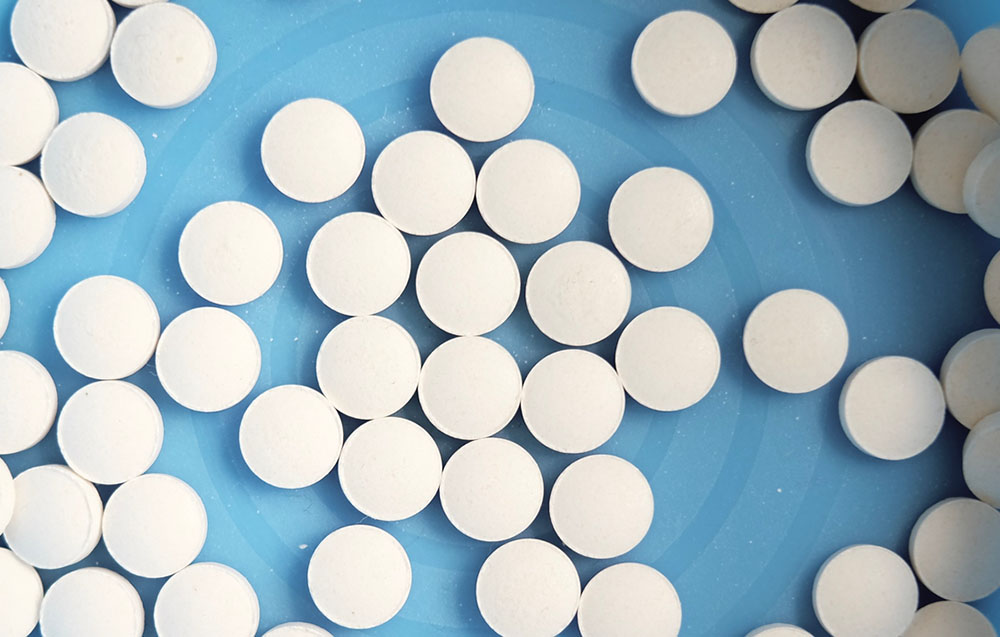

The FDA recently approved a daily oral version of Wegovy (semaglutide), giving patients an alternative to the weekly injection. On the surface, a pill sounds easier—but it’s important to understand how the two forms compare.
How the Oral Semaglutide Pill Works
Oral semaglutide must be taken first thing in the morning on an empty stomach with a small amount of water. After swallowing it, you need to wait at least 30 minutes before eating, drinking, or taking other medications. If not taken correctly, absorption drops dramatically—meaning the medication may not work as intended.
Because oral absorption is inefficient, studies show it often takes up to 50 mg daily to match the clinical results of 2–2.4 mg weekly injections (Ozempic and Wegovy). A rough clinical approximation is that 14 mg of oral semaglutide daily equals about 1 mg of weekly injectable exposure.
Low oral doses (3 mg, 7 mg, or even 14 mg) have shown minimal weight loss benefit, which is why patients on lower-dose oral forms often see disappointing results.
The Cost Reality
Cost for the oral version rises quickly with dose. Many advertised low monthly prices apply only to the starter dose—where the medication has little effect. Once patients reach effective obesity doses (20–25 mg or higher daily), costs typically rise to $300 per month or more.
That’s one reason we’ve chosen to focus on injectable semaglutide at Blue Sky MD—it’s more reliable, proven, and affordable for patients.
Our Approach? Proven Results, Micro-dosed for Safety and Tolerance
At Blue Sky MD, we offer clinically proven injectable semaglutide for as little as $40 per week—a fraction of national retail cost.
We use a “microdosing” approach, meaning we start patients at a conservative, physiologic dose and increase gradually based on individual response and tolerance. This minimizes side effects (like nausea and bloating) while still driving steady, meaningful progress in blood sugar control, appetite regulation, and fat loss.
Even at lower doses, injectable semaglutide remains effective when combined with proper nutrition and lifestyle habits. Many patients achieve sustainable results without ever needing the full 2.4 mg weekly dose.
How to Naturally Support GLP-1 Function
Whether you’re using a GLP-1 medication or not, several lifestyle habits naturally boost GLP-1 activity and appetite control:
- Prioritize protein – Aim for roughly 1 gram per pound of your ideal body weight daily. Protein increases natural GLP-1 release and enhances satiety.
- Make sure your hormones are optimized– in our office we see additional weight loss ‘gains’ with utilization of testosterone replacement in both men and women, with up to an additional 10-20% weight loss respectively and patients better able to maintain their weight loss results.
- Eat real food first – Emphasize lean proteins, fiber-rich vegetables, and minimally processed foods. These stabilize glucose and improve gut hormone signaling.
- Strength train regularly – Muscle mass improves insulin sensitivity and amplifies GLP-1 effectiveness.
- Sleep 7–9 hours nightly – Sleep deprivation reduces GLP-1 and leptin while increasing ghrelin (your hunger hormone).
- Manage stress – Chronic stress elevates cortisol, which blunts GLP-1 response and drives emotional eating.
Oral Semaglutide vs. Injectable Semaglutide: What’s best for me?
Oral semaglutide can be effective, but it’s finicky, expensive at high doses, and dependent on perfect daily adherence. Injectable semaglutide remains the gold standard: clinically proven, potent even at lower doses, and more affordable through our Blue Sky MD program.
If you’re considering starting GLP-1 medication or switching from one form of GLP-1 to another, our medical team can guide you toward the most effective and sustainable option for your goals. Take our free health assessment to see if you qualify for GLP-1 medications.
—
Dr. David LaMond
Medical Director, Blue Sky MD
Yes, there is an oral version of semaglutide called Rybelsus. It’s FDA-approved for treating type 2 diabetes and contains the same active ingredient as Ozempic and Wegovy injections. Rybelsus is taken as a daily tablet and works by mimicking the GLP-1 hormone to help regulate blood sugar and slow gastric emptying.
Yes, oral semaglutide (Rybelsus) is clinically proven to be effective. In clinical trials, patients taking Rybelsus experienced significant improvements in blood sugar control and modest weight loss. However, oral semaglutide is currently only FDA-approved for diabetes management, not specifically for weight loss like Wegovy injections.
Oral semaglutide is less potent than injectable versions. Due to poor absorption in the digestive system (only about 1% is absorbed), oral semaglutide typically produces more modest results compared to weekly injections like Ozempic or Wegovy. Injectable semaglutide generally provides more significant weight loss and blood sugar improvements because it delivers higher effective doses directly into the bloodstream.
Several limitations exist with oral semaglutide:
Absorption challenges: Must be taken on an empty stomach with minimal water, and you cannot eat or drink anything else for 30-60 minutes afterward, which can be inconvenient for many patients.
Lower effectiveness: Due to poor absorption, oral forms typically produce less dramatic results than injections.
Daily dosing: Requires daily administration versus weekly injections.
Limited approval: Currently only approved for diabetes management, not weight loss.
Cost considerations: May be more expensive long-term due to daily dosing requirements.
Strict timing requirements: The complex dosing schedule can impact medication adherence.
At Blue Sky MD, we specialize in optimizing GLP-1 therapy based on your individual needs and lifestyle. Our medical team can help determine whether oral or injectable semaglutide is the best option for your health goals.