
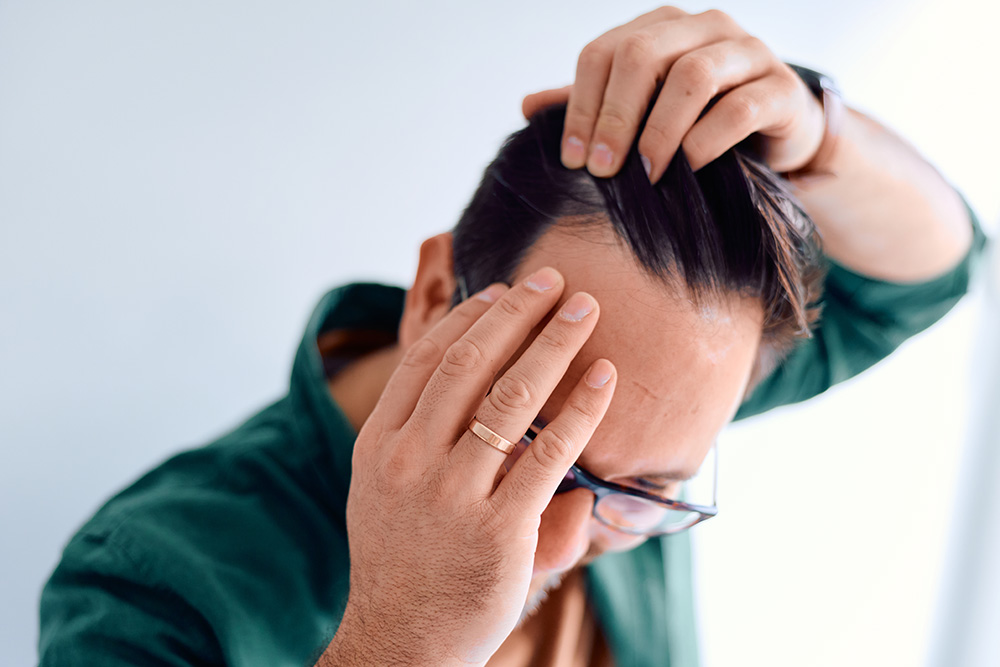

GLP-1 medications such as semaglutide (Ozempic, Wegovy) and tirzepatide (Mounjaro, Zepbound) have changed the way we treat obesity and metabolic disease. They improve insulin sensitivity, reduce appetite, support meaningful fat loss, and lower cardiometabolic risk.
Recently, more patients have asked about a different issue: hair loss while using these medications. Let’s walk through what we know, what we do not know, and how to manage this properly.
Is hair loss a known side effect of GLP-1 medications?
Hair loss is not considered a primary drug toxicity of GLP-1 therapy. These medications do not directly damage hair follicles in any proven way.
However, some patients experience increased hair shedding during treatment. Most cases fit a pattern called telogen effluvium. This is a temporary shift in the hair growth cycle triggered by metabolic stress.
The key point: in most situations, the medication itself is not the direct cause. The driver is rapid weight loss and physiologic change.
Why rapid weight loss can trigger shedding
Hair follicles are metabolically active. They require energy, protein, micronutrients, and stable hormonal signaling. When the body undergoes rapid fat loss, it interprets the change as a stress signal.
During stress, more hairs shift from the growth phase (anagen) into the resting phase (telogen). About three months later, shedding increases. This delay is why hair loss often appears 3–6 months after starting therapy.
We see this same pattern after:
- Bariatric surgery
- Severe calorie restriction
- Illness or hospitalization
- Postpartum hormone shifts
GLP-1 therapy can create a similar metabolic environment if weight loss is aggressive or nutrition is inadequate.
Nutritional factors matter
GLP-1 medications reduce appetite. Patients often eat much less. If protein intake drops too low or micronutrients fall below optimal levels, hair cycling suffers.
Common contributors include:
- Low protein intake
- Low ferritin (iron stores)
- Zinc deficiency
- Vitamin D insufficiency
- B-vitamin deficiency
- Rapid lean mass loss
In our practice, protein intake is a non-negotiable priority. Most patients benefit from a target near 1 gram of protein per pound of ideal body weight. Adequate protein protects lean mass, stabilizes metabolism, and supports hair integrity.
Is this permanent?
Telogen effluvium is typically temporary. Once the body stabilizes metabolically and nutrition improves, hair growth resumes.
Permanent thinning usually relates to underlying androgenetic alopecia, which can be unmasked by stress. In those cases, targeted therapy may be helpful.
How we approach this at Blue Sky MD
We do not treat hair shedding with guesswork. We evaluate.
A proper assessment includes:
- Review of rate of weight loss
- Body composition trends
- Protein intake analysis
- Ferritin, iron panel
- Vitamin D level
- Zinc level
- Thyroid panel when indicated
- Review of hormonal balance
If shedding appears, we adjust the plan. Often this means:
- Slowing the rate of weight loss
- Increasing protein intake
- Repleting deficiencies
- Supporting lean mass preservation
- Addressing hormonal contributors
In select patients, additional therapies such as PRF, topical growth stimulants, or medical hair restoration protocols may be appropriate.
Should you stop your GLP-1 medication?
In most cases, no.
The cardiometabolic benefits of GLP-1 therapy are significant. Improved glucose control, reduced visceral fat, better inflammatory signaling, and reduced cardiovascular risk all carry long-term health impact.
If hair shedding occurs, the better strategy is correction of the underlying trigger rather than abandoning a medication improving metabolic health.
The Big Picture
Obesity is a neuroendocrine and inflammatory condition. GLP-1 therapy addresses central appetite signaling and metabolic regulation and is extremely effective at treating underlying endocrine and inflammation. In other words, GLP’s in and of themselves are not likely causing hair loss.
Hair loss during treatment usually reflects the body adapting to rapid change, not drug toxicity. With thoughtful management, most patients stabilize and recover normal growth.
If you are experiencing hair changes while on GLP-1 therapy, bring it up. We can evaluate it. We can correct it. And we can continue moving toward better metabolic health with a plan built around preservation of lean mass and long-term outcomes.
Your health is not just about weight loss. It is about strength, resilience, and sustainable metabolic function.
If you’re curious about whether or not GLP-1 medications are right for you, take our free online health assessment to see if you’re qualified.
Dr. David Lamond – Founder & CEO, Blue Sky MD
Sort of — but it’s not the medication itself doing the damage. Hair shedding during GLP-1 treatment is almost always tied to rapid weight loss. When your body loses weight quickly, it can trigger a temporary condition called telogen effluvium, where more hairs than usual shift into the shedding phase at once. It’s unsettling to notice, but it’s typically short-lived and reversible.
Honestly, there’s no GLP-1 that’s totally off the hook here — because again, the hair loss isn’t really about the drug. It’s about how fast the weight comes off. That said, if shedding is a concern, slowing your rate of weight loss and making sure you’re getting enough protein and nutrients can make a big difference regardless of which medication you’re on.
The biggest things you can do: make sure you’re eating enough protein (most people on GLP-1s aren’t hitting their targets), take a quality multivitamin, and stay hydrated. If your weight is dropping very quickly, it may also help to work with your provider on a pace that’s a little more gradual. Hair loss supplements like biotin get a lot of attention, but nutrition and protein are really where the needle moves.
For most people, it runs its course within three to six months. Once your weight stabilizes and your body adjusts, the shedding tends to slow down on its own. If it’s going on longer than that, or feels extreme, it’s worth looping in your provider to rule out anything else going on.